
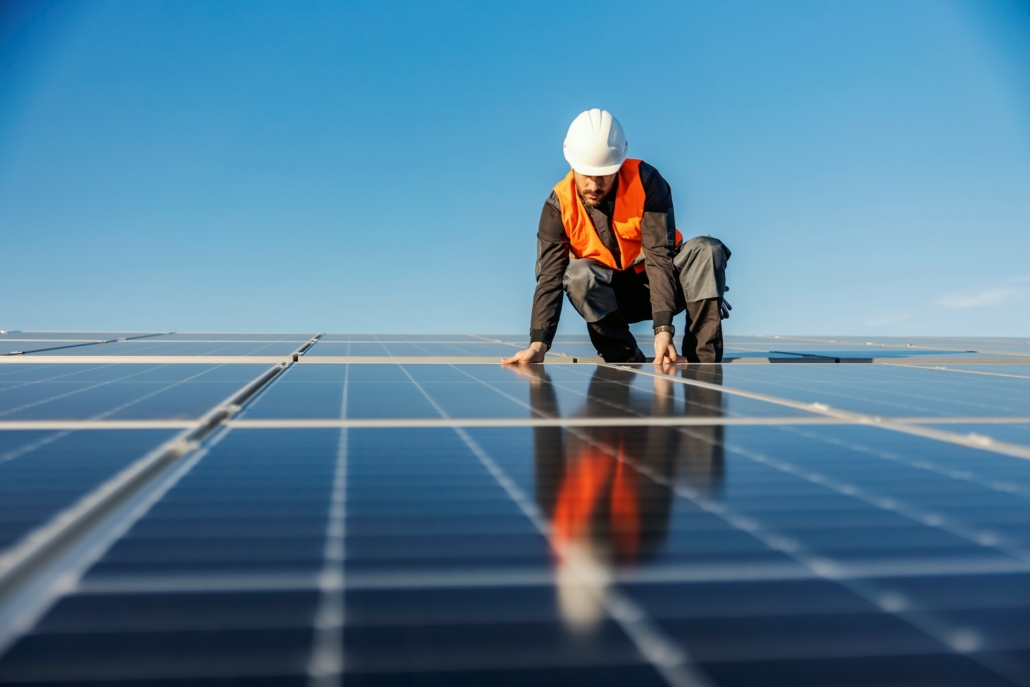
The built environment contributes significantly to carbon emissions, making sustainable alternatives crucial. Modern photovoltaic systems offer a practical way to address this challenge while demonstrating strong environmental credentials.
Professional installation services now cater to diverse requirements across the United Kingdom. From individual homes to larger facilities like schools and offices, these systems provide substantial benefits. The technology has evolved to meet specific power needs effectively.
Adopting renewable power brings dual advantages for property owners. It supports national decarbonisation goals while delivering long-term economic savings. The financial viability of these installations has improved dramatically in recent years.
There is growing demand for tailored approaches that consider each property’s unique characteristics. This ensures optimal performance and maximum return on investment. The market continues to expand as awareness increases.
Key Takeaways
- The built environment accounts for a substantial portion of carbon emissions
- Modern photovoltaic technology suits various property types including schools and offices
- Professional installation services are increasingly accessible across the UK
- Renewable power adoption offers both environmental and economic benefits
- Systems can be tailored to meet specific energy requirements
- Financial viability has improved significantly in recent years
- Corporate social responsibility credentials are enhanced through adoption
Exploring the Benefits of Solar Energy
Modern photovoltaic installations deliver measurable benefits across both ecological and economic dimensions. Property owners gain advantages that extend beyond simple power generation.
These systems create value through environmental stewardship and financial efficiency. The dual approach makes them increasingly attractive.
Environmental Impact and Reduced Carbon Footprint
Photovoltaic technology significantly lowers carbon emissions compared to grid electricity. This reduction supports broader sustainability goals.
Current installations demonstrate impressive environmental performance. Lightweight systems are projected to prevent 1,760 tonnes of CO₂ emissions over five years.
Businesses achieve ISO 14001 compliance through this technology. Major companies prioritise suppliers with strong environmental credentials.
Economic Savings and Energy Bill Reduction
Photovoltaic arrays generate electricity without ongoing fuel costs. This free power directly reduces energy bills for homes and businesses.
The technology provides protection against future price increases. Property owners lock in lower operational costs for decades.
Commercial enterprises see improved financial performance. Reduced energy expenses enhance profitability while supporting sustainability targets.
Innovative Solar Energy Solutions for Residential and Commercial Properties
Cutting-edge developments in panel technology now allow installations where traditional systems were previously impractical. Lightweight alternatives address structural limitations, wind resistance, and aesthetic concerns that once prevented adoption.
These advanced systems transform underutilised roof spaces into valuable assets. Property owners can generate power from areas that served no other purpose, creating both environmental and financial benefits.
Integrated battery storage represents another significant innovation. These systems maximise self-consumption while providing backup capabilities during grid outages. The combination delivers comprehensive power management for diverse building types.
| Feature | Traditional Systems | Innovative Solutions |
|---|---|---|
| Weight Requirements | Heavy structural support needed | Lightweight designs for limited capacity |
| Installation Flexibility | Standard roof types only | Adaptable to heritage and modular buildings |
| Energy Storage | Grid-dependent operation | Integrated battery backup systems |
| Aesthetic Impact | Visible panel arrays | Discreet, architecturally integrated designs |
Specialised approaches cater to unique requirements across different property categories. Modular constructions benefit from portable systems that replace diesel generators, supporting decarbonisation efforts.
The continuous evolution of this technology expands accessibility to renewable power generation. More buildings can now participate in sustainable energy production regardless of their structural characteristics.
Tailored Solar Panel Installations for Diverse Property Types
Effective power generation systems must be precisely tailored to match individual consumption patterns and structural constraints. Professional assessment considers multiple factors to create optimal configurations.
Residential Optimisation and Custom Installations
Home installations require careful planning around household energy usage. The team designs each system based on actual consumption data rather than available space alone.
This approach ensures the solar panel installation delivers maximum efficiency. Property aesthetics and structural capacity receive equal consideration during planning.
Household consumption patterns guide system sizing decisions. This methodology provides superior returns on investment for residential clients.
Industry Insights from Frontier Energy
Frontier Energy emphasises bespoke solutions that prioritise quality outcomes. Their experienced team focuses on consumption-based sizing rather than maximising panel coverage.
This company’s approach delivers faster return on investment for business installations. Both roof-mounted and ground-mounted systems are available.
Commercial properties benefit from in-roof and on-roof configurations. Each installation is customised to meet specific operational requirements.
Understanding Solar PV System Technology and Installation
Understanding the technical aspects of a solar PV installation is key to appreciating its long-term value. This section explores the core components and processes that ensure a system operates effectively for decades.
Advanced Panel Technology and Efficiency
Modern panels generate significantly more power than models from a decade ago. Improvements in photovoltaic cell design boost efficiency, producing more electricity from the same surface area.
This enhanced performance makes contemporary systems a highly effective power source. They deliver strong returns by maximising generation potential.
Seamless Integration with Existing Infrastructure
Professional installers connect the new system safely to a property’s existing electrical infrastructure. This integration ensures generated power is used efficiently on-site.
The process typically involves:
- Linking the system to the main distribution board.
- Configuring settings for optimal self-consumption.
- Establishing a connection for exporting surplus power to the grid.
- Incorporating battery storage for greater energy independence.
This methodology maintains safety standards and grid compliance.
Maintenance and Long-Term Performance
Ongoing maintenance is minimal but essential for peak performance. Most systems include apps for real-time monitoring and recording of generation data.
This remote tracking allows for preventative maintenance, addressing issues before they affect output. A well-maintained system reliably produces clean power for 25 years or more.
Installation timeframes are efficient. Even large commercial projects are often completed within a couple of weeks, minimising disruption.
Sustainable Solutions and Low-Carbon Strategies
Strategic decarbonisation represents a critical pathway for modern buildings seeking meaningful environmental impact. These comprehensive approaches integrate multiple technologies to address the built environment’s substantial carbon footprint.
Decarbonisation Approaches for Modern Buildings
Effective sustainability strategies often begin with transforming underutilised roof space into productive assets. Many structures have areas that serve no other purpose but can host renewable installations.
These solar solutions deliver commercial benefits while reducing carbon footprints significantly. The approach turns wasted space into valuable sustainability assets.
Battery storage systems enhance these installations by maximising renewable energy utilisation. They store excess generation for use during peak demand periods or grid outages.
This combination helps companies meet corporate sustainability commitments and regulatory requirements. Major corporations increasingly prioritise suppliers with strong environmental credentials.
The integration of battery technology ensures buildings achieve greater energy independence. It represents a smart approach to reducing operational costs while supporting decarbonisation goals.
Adopting these comprehensive solutions positions organisations favourably with environmentally conscious investors. It demonstrates commitment to long-term sustainability beyond basic compliance.
Expert Perspectives and Industry Case Studies
Industry case studies demonstrate how professional expertise transforms complex installations into reliable power generation assets. These real-world examples provide valuable insights for businesses considering similar projects.
Review of Successful Projects featuring Frontier Energy Ltd
Frontier Energy Ltd exemplifies how experienced teams deliver exceptional results. Their approach focuses on comprehensive engineering design through to system activation.
The company’s portfolio includes diverse commercial solar installations. Each project addresses unique technical challenges while ensuring customer satisfaction.
Lessons from Notable Commercial Installations
Major airports and sports facilities showcase the versatility of modern technology. Farnborough Airport hosts one of the region’s largest rooftop solar panel arrays.
Northamptonshire County Cricket Club expects to save hundreds of thousands of pounds. Their installation demonstrates significant financial benefits for sports organisations.
Warehouse projects like Astute Electronics utilise space previously considered unusable. Construction sites benefit from systems replacing diesel generators.
These commercial solar projects highlight the importance of skilled installation teams. Businesses achieve both sustainability goals and cost reductions through professional implementation.
Future Trends and Technological Advancements
The photovoltaic landscape is undergoing rapid transformation as technological breakthroughs redefine what’s possible in renewable power generation. These developments promise to make systems more accessible and effective than ever before.
Emerging Innovations in Solar Technology
Continuous innovation drives remarkable improvements in panel efficiency. Modern units generate significantly more electricity from the same surface area compared to models from a decade ago.
The industry explores creative applications like solar sculptures that blend aesthetics with functionality. Lightweight systems now suit buildings previously considered unsuitable for installations.
These advancements expand accessibility while maintaining strong performance standards. The focus remains on practical solutions that deliver real value.
Investment Returns and Market Projections
Financial returns continue to improve as technology evolves. Commercial photovoltaic systems typically achieve payback within 4-7 years, with some installations recovering costs in just 3 years.
Considering systems last 25 years or more, this represents excellent long-term value. Investing today positions property owners advantageously against rising energy costs.
Market projections indicate sustained growth driven by environmental regulations and corporate sustainability commitments. The compelling financial case supports continued adoption across sectors.
Expert Tips for Optimising Solar Panel Performance
Proactive maintenance strategies ensure photovoltaic arrays continue delivering optimal returns over their lifespan. Regular attention to system health prevents minor issues from becoming major problems.
Smart Monitoring Solutions and Maintenance Schedules
Modern monitoring platforms provide real-time performance data through dedicated mobile applications. These tools track generation figures and alert users to potential issues.
The system delivers valuable information about efficiency levels. Property owners can establish baseline expectations and spot deviations early.
| Monitoring Approach | Manual Inspection | Smart Technology |
|---|---|---|
| Frequency | Quarterly visits | Continuous tracking |
| Issue Detection | Reactive identification | Proactive alerts |
| Data Access | Periodic reports | Real-time dashboard |
| Maintenance Cost | Higher labour expenses | Reduced site visits |
Regular maintenance keeps solar panels operating at peak capacity. A professional service team should conduct annual inspections.
“Preventative care extends system lifespan and protects your investment. Smart monitoring transforms maintenance from reactive to predictive.”
Clear communication with your customer service provider ensures timely support. Proper maintenance maximises space utilisation over time.
Each solar panel installation benefits from tailored care routines. This approach safeguards long-term system performance and value.
Conclusion
Adopting renewable power generation represents a forward-thinking investment that delivers both immediate and long-term advantages. Professional installations provide substantial benefits for diverse property types across the United Kingdom.
These systems offer a dual value proposition: significant cost reductions through reduced energy consumption combined with meaningful contributions to environmental sustainability. Modern technology allows precise customisation to meet specific operational requirements.
Partnering with an experienced service team ensures optimal performance and investment returns. Quality installations supported by battery integration and smart monitoring deliver comprehensive power management.
Exploring professional solar solutions today positions properties advantageously for an increasingly carbon-conscious future while providing protection against rising energy costs.
FAQ
What are the primary benefits of installing a solar panel system?
The main advantages include significant reductions in electricity bills and a lower carbon footprint. Systems generate clean power, enhancing a property’s sustainability credentials while providing long-term economic savings.
How long does a typical installation take for a commercial building?
The timeframe varies depending on the system’s scale and the property’s specific requirements. A standard commercial installation can take several weeks from initial assessment to full commissioning, ensuring minimal disruption to business operations.
What maintenance is required for a photovoltaic (PV) system?
PV systems require very little upkeep. Periodic cleaning of the panels and an annual professional check are generally sufficient to maintain optimal performance and efficiency over many years.
Can solar technology work effectively in the British climate?
Yes, modern panels are highly efficient and generate power even on cloudy days. The technology is well-suited to the UK’s climate, making it a viable and productive option for homes and businesses.
Are there battery storage options available with these systems?
Absolutely. Battery storage solutions can be integrated to store excess power generated during the day. This allows for usage during the evening or periods of low sunlight, increasing energy independence.
How does the installation process integrate with a property’s existing electrical setup?
Professional installers ensure seamless integration. The system connects to the existing infrastructure, often with no need for major alterations. The team manages the entire process to guarantee safety and compliance with all regulations.
What factors influence the cost of a solar panel installation?
Key factors include the system’s size, the technology’s quality, and the property’s specific characteristics, such as available roof space. An initial consultation provides a detailed quote based on these unique requirements.