
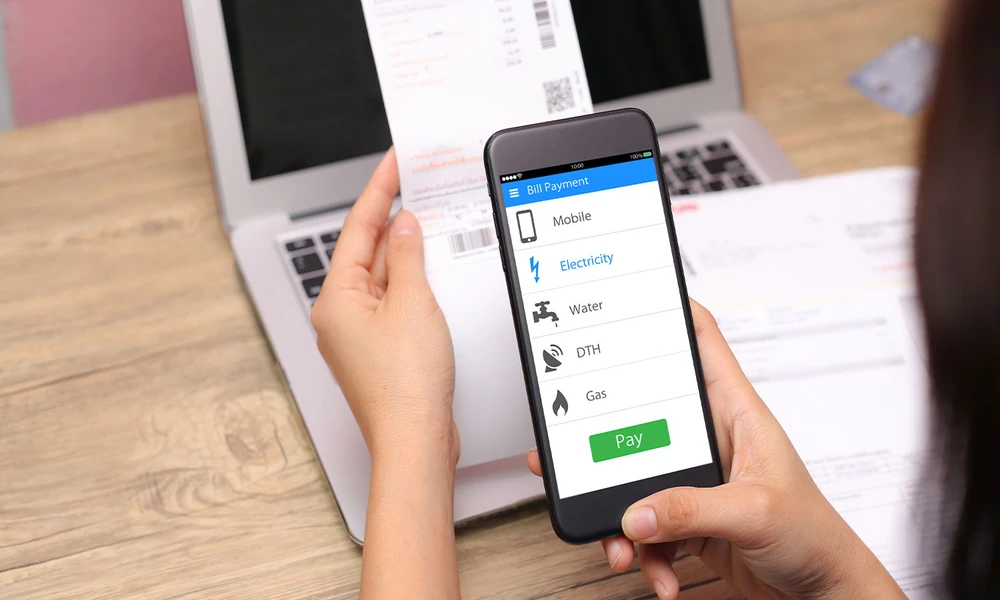
The option to pay utility bills online has made routine household payments easier to manage. Electricity, gas, broadband, water, mobile services and other recurring expenses can often be handled digitally without visiting multiple payment counters.
The real benefit, however, is not simply speed. Digital payments can also help households keep records, track due dates and understand how recurring expenses are changing over time.
A useful approach is to build a simple payment system around the entire month rather than dealing with each bill only when a reminder appears.
Build A Monthly Utility Map
Start by listing every recurring utility expense in one place.
A household payment map may include:
- Electricity
- Gas
- Water
- Broadband
- Mobile connections
- DTH services
- Other recurring household services
Alongside each bill, note the usual billing date and due date.
This immediately creates a clearer view of when money is expected to leave the account.
It also reduces the risk of forgetting a smaller bill simply because a larger payment received more attention.
Group Bills Into Payment Windows
Paying bills individually throughout the month can make tracking difficult.
Instead, some households may find it easier to create two or three payment windows.
For example, bills due during the first half of the month can be reviewed together, while later bills can form a second group.
This does not mean every bill must be paid on the same day.
The purpose is to create regular review periods so that no payment is discovered only after the due date has passed.
Separate Fixed Costs From Variable Costs
Not all utility expenses behave in the same way.
Broadband may remain relatively stable each month, while electricity may change significantly depending on usage.
Dividing bills into fixed and variable categories can make budgeting easier.
Fixed Or Predictable Payments
These may include subscriptions, standard broadband plans or other services with largely consistent charges.
Variable Payments
Electricity, gas and usage-based services may rise or fall from one cycle to another.
Variable bills deserve closer review because an unusual increase may indicate higher consumption, revised tariffs or an additional charge.
Review The Bill Before Paying
Digital payment convenience can encourage users to move directly from notification to payment.
That can be a mistake.
- The service provider
- The customer or consumer number
- The billing period
- The total amount due
- The payment deadline
If the amount differs substantially from the usual range, review the detailed bill before proceeding.
An unexpected increase may be legitimate, but understanding the reason helps improve household budgeting.
Keep Recharge And Utility Spending Together
Communication expenses often sit alongside other household bills.
Someone who also completes online recharges can include mobile or related recharge spending within the same monthly utility review.
This creates a more realistic picture of recurring digital expenses.
Instead of viewing a ₹299 recharge, a broadband payment and an electricity bill separately, households can see the combined monthly cost of staying connected and maintaining essential services.
That broader view can help identify whether spending is increasing over time.
Choose One Primary Payment Routine
Using many different payment channels can make records harder to follow.
One bill may be paid through a banking app, another through a service-provider website and another through a separate digital platform.
There is nothing inherently wrong with using multiple methods, but a primary routine can simplify tracking.
For example, a household may use one preferred platform for most supported bills while keeping alternative options available if a payment service is temporarily unavailable.
The objective is consistency without losing flexibility.
Treat The Confirmation Screen As A Checkpoint
The final screen before payment deserves attention.
A quick check should confirm the biller, amount and linked account or payment method.
Saved billers can make transactions faster, but they can also make users less attentive because the details feel familiar.
This becomes especially relevant when several family accounts are stored within the same platform.
A correct payment method does not help if the wrong customer account was selected.
Leave Room Before The Due Date
Waiting until the last day increases pressure.
Online payments can occasionally face:
- Bank interruptions
- Network problems
- Biller-side delays
- Pending transaction status
- Failed authentication
Paying a few days earlier creates room to address such issues without immediately facing a late-payment concern.
For essential services, this buffer can be particularly useful.
Avoid Duplicate Payments After A Delay
One of the most common digital payment mistakes occurs when a transaction does not show an immediate success message.
Users may assume the payment failed and try again.
Before repeating any bill payment, review the first transaction.
A Better Response To A Pending Payment
- Check whether the amount was debited.
- Review the transaction status.
- Check whether the biller updated the payment.
- Keep the reference number.
- Retry only after the first attempt is confirmed as unsuccessful.
This approach can reduce accidental duplicate payments.
Save Proof For Important Bills
A successful payment usually creates a digital trail.
Users should know where to find it.
Important information may include:
- Transaction ID
- Payment date
- Biller name
- Amount
- Payment status
These records can help if the service provider does not recognise the payment immediately.
There is no need to clutter the phone with screenshots of every transaction if the platform provides reliable transaction history, but users should know how to retrieve the record when needed.
Use Auto-Pay With Oversight
Auto-pay can reduce the risk of missing recurring bills.
It works particularly well for predictable payments.
However, automation should not mean ignoring the transaction completely.
- The linked account has enough funds
- The bill amount appears reasonable
- The service is still active
- The payment method remains valid
A failed automatic debit can still create a missed payment.
Use Utility Bills As A Spending Signal
Monthly bill reviews can reveal useful information about household behaviour.
A sharp increase in electricity may reflect seasonal usage.
Higher mobile spending may indicate repeated add-on recharges.
A broadband plan may no longer match actual household needs.
These patterns are easier to see when several months are reviewed together.
Utility payment history can therefore contribute to budgeting rather than serving only as proof that a bill was paid.
Remove Services That No Longer Add Value
Recurring expenses can continue unnoticed.
A household may be paying for an additional connection, entertainment service or plan that is rarely used.
During the monthly review, ask whether each recurring payment still serves a purpose.
This does not require aggressive cost-cutting.
The aim is simply to avoid paying indefinitely for services that are no longer needed.
Keep Payment Security Separate From Convenience
The easier digital payments become, the more important basic security habits remain.
Avoid clicking payment links from unknown messages.
Instead, open the official payment platform or service-provider app directly.
Never share:
- OTPs
- Payment PINs
- Passwords
- Authentication codes
Messages warning of immediate disconnection should be independently verified before any payment is made.
Urgency is not proof that a message is genuine.
Create A Household Payment Record
Families with multiple members managing expenses may benefit from a simple shared record.
This can prevent two people from paying the same bill.
The record does not need to be complicated.
It may simply show:
- Bill name
- Due date
- Person responsible
- Payment status
- Amount
This becomes particularly useful when several family members use the same utility accounts.
Close The Month With A Five Minute Review
At the end of the month, review completed bills against the original payment list.
Look for three things:
- Any unpaid bill
- Any duplicate transaction
- Any unusual increase in cost
This short review helps close the payment cycle before the next month’s bills begin arriving.
It also makes budgeting more accurate because actual utility spending can be compared with the expected amount.
Conclusion
The ability to pay utility bills online can simplify household finances, but the biggest advantage comes from using digital payments within an organised routine.
A monthly utility map, clear payment windows and transaction verification can reduce missed or duplicated payments. Reviewing variable costs can also help households understand where recurring expenses are changing.
The goal is not simply to pay faster. It is to create a system in which bills are easy to anticipate, payments are easy to verify and monthly household costs remain visible.
Frequently Asked Questions
1. Which Bills Can Usually Be Paid Online?
Depending on the platform and service provider, eligible bills may include electricity, gas, water, broadband, mobile and other recurring services.
2. Is It Better To Pay Utility Bills Before The Due Date?
Yes. Paying a few days early can provide time to resolve failed or pending transactions before the final deadline.
3. What Should I Do If My Utility Payment Is Pending?
Check the debit status, transaction history and biller update before attempting the same payment again.
4. Can Auto-Pay Help Manage Utility Bills?
Yes. Auto-pay can help with recurring bills, but users should still check account balance, bill amount and payment status.
5. How Can I Keep Online Utility Payments Secure?
Use official platforms, verify bill details and never share OTPs, PINs, passwords or other authentication information.