
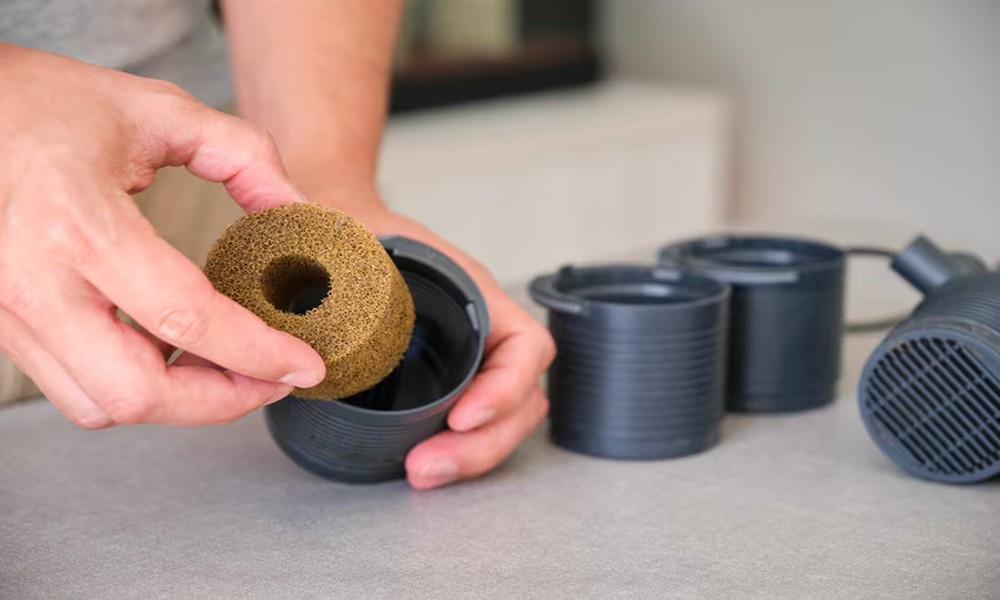
Maintaining clean water is one of the most important aspects of keeping a healthy aquarium. Filtration systems play a major role in removing waste, debris, and harmful particles that accumulate in fish tanks over time. At the center of these systems is aquarium filter foam, which helps trap impurities and supports effective water circulation.
Filter foam acts as a physical barrier that captures dirt, uneaten food, and organic waste before they spread throughout the tank. By supporting filtration efficiency, fish tank filter foam helps maintain stable water quality and reduces stress on aquatic life.
Without proper filtration materials, aquariums can quickly develop cloudy water and harmful conditions. This makes choosing the right foam an essential step for both beginner and experienced aquarium owners.
Understanding Different Types of Aquarium Sponge Filter Foam
Aquarium sponge filter foam is widely used due to its durability and ability to support biological filtration. These sponges not only capture visible debris but also provide a surface for beneficial bacteria to grow. These bacteria play a key role in breaking down harmful substances in the water.
Different sponge foam types are designed to meet specific filtration needs. Some of the commonly used varieties include:
- Fine-pore foam: Ideal for capturing small particles and improving water clarity.
- Medium-pore foam: Suitable for general-purpose filtration in most aquariums.
- Coarse-pore foam: Allows strong water flow while trapping larger debris.
- Layered foam systems: Combine different pore sizes for enhanced filtration.
Choosing the correct sponge foam ensures that filtration systems operate efficiently and support balanced aquatic environments.
Benefits of Using High-Quality Aquatic Filter Foam
Using reliable aquatic filter foam offers several advantages that improve both water quality and equipment performance. High-quality foam is designed to withstand long-term exposure to water without breaking down quickly.
Key benefits of using durable filter foam include:
- Improved water clarity: Captures suspended particles effectively.
- Better biological filtration: Supports beneficial bacterial growth.
- Long-lasting performance: Resists wear and deformation over time.
- Consistent water flow: Maintains balanced filtration pressure.
- Reduced maintenance frequency: Requires fewer replacements compared to low-quality foam.
These advantages help aquarium owners maintain healthier tanks while reducing maintenance effort.
How to Choose the Right Fish Tank Filter Foam
Selecting the right fish tank filter foam depends on several practical factors related to tank size, filtration type, and aquatic species. Understanding these elements helps ensure effective filtration without disrupting water flow.
Before purchasing filter foam, consider the following factors:
- Tank size: Larger tanks require higher-capacity foam materials.
- Filtration system type: Sponge filters, canister filters, and internal filters require different foam designs.
- Water flow requirements: Foam density should match pump strength.
- Type of aquatic life: Sensitive species may require finer filtration materials.
- Maintenance schedule: Choose foam that is easy to clean and replace.
Evaluating these factors helps aquarium owners select foam materials that support long-term water quality and system efficiency.
The Role of Foam Manufacturers in Ensuring Product Quality
Reliable foam manufacturers play an important role in producing durable and safe filtration materials. Quality manufacturing ensures that foam products maintain their structure, resist chemical breakdown, and remain safe for aquatic environments.
Experienced manufacturers focus on producing foam that meets industry standards and supports consistent performance. They also ensure that materials are non-toxic and suitable for prolonged use in water-based environments.
Companies provides specialized filtration foam solutions designed for aquarium and aquatic applications. Their focus on durable materials and precise foam structures supports reliable filtration and long-term system efficiency.
Working with trusted manufacturers helps aquarium owners and suppliers maintain consistent quality across filtration systems.
Maintenance Tips for Aquarium Sponge Filter Foam
Regular maintenance is essential to ensure that aquarium sponge filter foam continues to perform effectively. Over time, debris accumulation can reduce filtration efficiency and restrict water flow.
To maintain optimal performance, consider the following maintenance practices:
- Rinse foam gently using aquarium water to preserve beneficial bacteria
- Avoid using harsh cleaning chemicals that may damage foam
- Inspect foam regularly for wear or deformation
- Replace foam when it becomes brittle or loses shape
- Maintain consistent cleaning schedules based on tank usage
Following these steps helps extend foam lifespan and supports healthy aquarium conditions.
Choosing Reliable Aquarium Filter Foam for Long-Term Performance
Effective filtration is essential for maintaining clean and healthy aquariums. Using high-quality aquarium filter foam helps remove waste, support beneficial bacteria, and maintain stable water conditions.
Whether selecting aquarium sponge filter foam for biological filtration or choosing durable aquatic filter foam for heavy-duty use, making informed decisions improves overall tank performance. Partnering with experienced foam manufacturers ensures reliable materials that support long-term filtration efficiency.
Ultimately, investing in the right fish tank filter foam contributes to healthier aquatic environments and reduces the need for frequent maintenance, making aquarium care more efficient and manageable.
————————————————————————————————————————-