
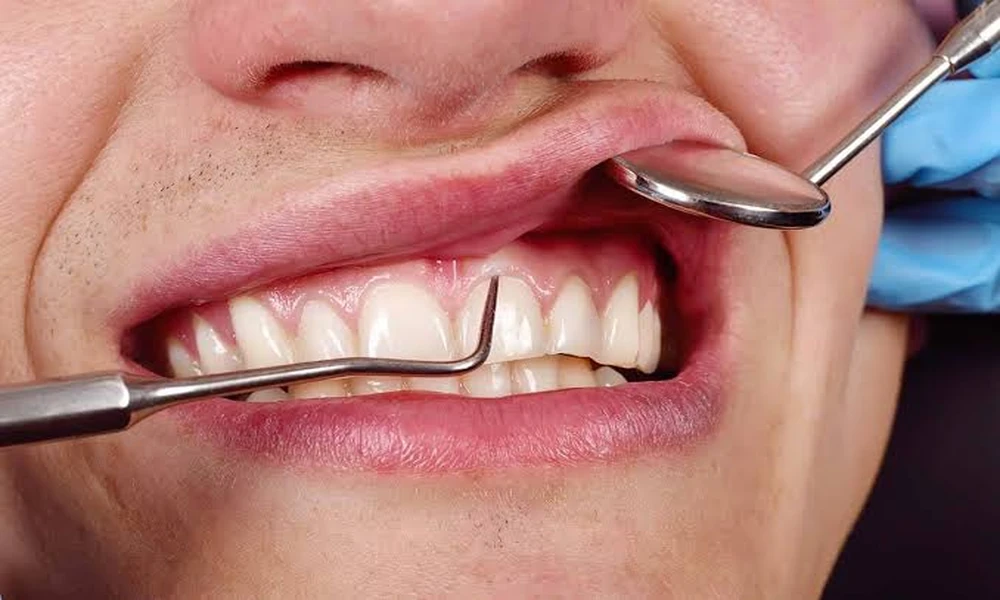
Healthy gums are the foundation of a good smile, but periodontal issues tend to show up or hurt slowly before they grow worse. Many individuals focus just on their teeth, but your gums, bone and supporting muscles are just as vital for good oral health. If these tissues become bloated or diseased, it may make you feel horrible about the way you look, your confidence and even the long-term safety of your teeth. That’s why it’s so crucial to have a professional’s care and a professional’s report. Patients who are looking for advanced gum care often find their way to the periodontists from Smile Specialists Suite. They can help them identify problems early and treat them successfully.
Diagnosis Of Periodontal Problems
Usually, the first symptom of periodontal disease is plaque build-up around the gumline. If you don’t remove plaque effectively by brushing, flossing, and having a professional clean your teeth, the bacteria in the plaque may be damaging to your gums. This pain might worsen over time and develop from a moderate inflammatory condition to gum disease.
Stage one is what people typically refer to as “gingivitis.” Your gums may be red, puffy, or painful at this stage. There are those who bleed when they floss or brush. If treated early, gingivitis is generally reversible. But if you don’t, it may grow worse and evolve into periodontitis, which is a more serious kind of gum disease that can harm the bone and muscles that support your teeth.
Gingivitis And Early Gum Inflammation
Bleeding gums are among the most prevalent symptoms of gum disease. Some people assume bleeding is natural, but it’s typically an indication that the bacteria have created inflammation. If your gums are inflamed, your teeth may also be sensitive, you can have foul breath, and it can be difficult to brush your teeth.
Before treating gum inflammation, specialists must find out what’s causing it and how severe it is. When you have a dental or periodontal exam, they may look at the areas between your gums, ask you about your oral hygiene practices, and show you where you have plaque or tartar buildup. It is generally advised to get the surfaces professionally cleaned to remove stubborn residues that you cannot remove yourself. Patients may also pick up tips on how to correctly brush, floss and clean between their teeth.
Periodontitis And Deeper Gum Infection
This is termed gum recession and occurs when the gum tissue pushes away from the tooth surface. This might make the teeth seem longer or expose sensitive root regions. This may be caused by gum disease, brushing too hard, grinding your teeth, your genes, or not taking care of your teeth correctly. In a weak economy, it might contribute to issues such as sensitivity, root rot and poor appearance.
How to treat the decline depends on the reason and severity of the decline. If the condition is caused by too much pressure during brushing, a specialist may recommend using a softer toothbrush and improved technique. If you have gum disease, you may need to clean under the gum line. More serious problems may require gum grafts or other specialist operations to hide the exposed roots and strengthen the gums.
Gum Recession And Exposed Tooth Roots
When gum disease becomes worse, pockets develop between the teeth and gums. The issue is difficult to deal with by merely washing since these places are more prone to bacteria collecting further down below the gumline. Periodontitis may lead to bone loss, loose teeth, aching gums and chronic poor breath.
Care professionals will usually start by doing a thorough periodontal examination. You may need to have scaling and root planning to clean underneath the gums and make the root surfaces smoother so the gums can recover better. Antimicrobial treatments are occasionally used to help kill microorganisms. In extreme situations, surgery may be required to reach deep, close gaps or, if feasible, reconstruct missing support.
Conclusion
Inflammation of the gums, bleeding, receding gums, deep pockets, loss of bone, loose teeth and bad breath that won’t go away may threaten your dental health and quality of life. The good news is that a lot of these disorders are a lot more manageable if they are discovered early and addressed by skilled specialists. Proper examination, targeted treatment and continuous care allow patients to maintain their lips healthy, preserve their teeth and have a superior smile for years to come.