
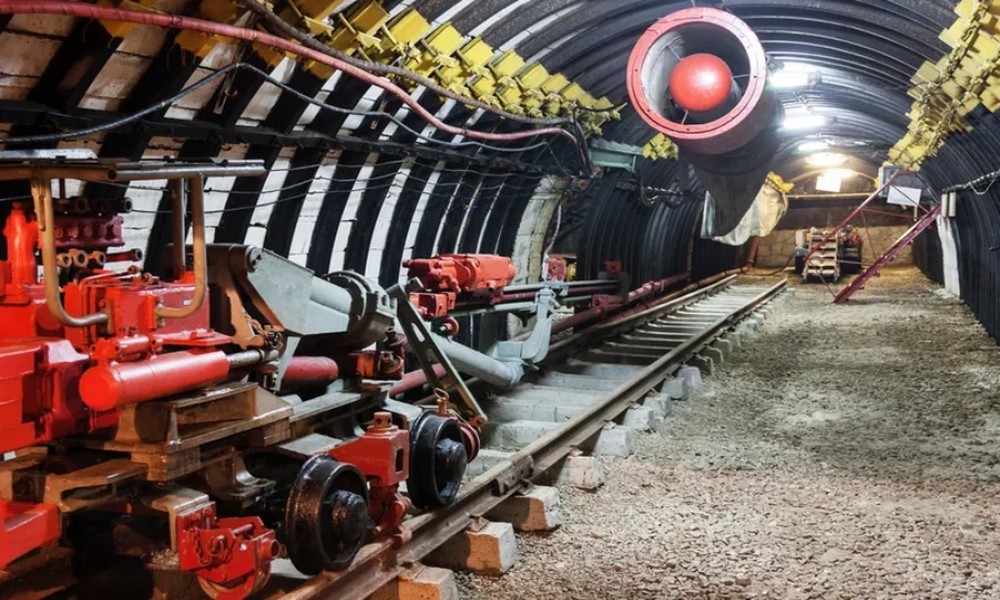
Safe underground work depends on proper airflow control with strong temperature balance methods. Harsh working zones create serious pressure on workers during daily tasks. Proper ventilation methods support cleaner breathing spaces while reducing unwanted heat buildup. Modern mining cooling systems help maintain safer conditions through steady airflow movement. Controlled air circulation also protects important machinery from overheating problems during long operating hours. Reliable planning helps reduce delays while supporting smoother production activities underground.
Airflow Control During Operations
Fresh air movement protects underground spaces from dangerous heat buildup during continuous extraction activities. Proper ventilation planning reduces worker stress while supporting safer operational performance daily. Controlled airflow also improves equipment function within enclosed areas where rising temperatures create harmful conditions for ongoing underground production tasks.
Heat Pressure Affecting Workers
Rising underground temperatures create difficult working conditions during extended operational hours below surface areas. Proper cooling support reduces body strain while helping teams maintain safer performance during demanding activities. Stable air circulation also decreases exhaustion risks linked with confined environments requiring continuous physical movement underground.
Equipment Cooling Inside Chambers
Large machinery generates unwanted heat during continuous underground operational cycles every working shift. Proper ventilation systems remove trapped warmth while supporting smoother equipment function within enclosed sections. Controlled temperatures also help reduce sudden breakdown problems affecting production stability during heavy industrial activities underground.
Dust Reduction Through Ventilation
Dust particles spread rapidly through enclosed operational areas during active material extraction processes underground. Effective airflow movement removes harmful particles while improving breathing quality for workers performing difficult tasks. Cleaner surroundings also protect sensitive machinery from damage caused by heavy dust accumulation during production activities.
Emergency Support During Failures
Unexpected equipment failures create dangerous underground conditions requiring immediate airflow management for worker protection. Reliable ventilation systems support safer evacuation procedures while reducing harmful heat exposure during emergency situations. Proper planning also improves communication access within enclosed sections facing operational difficulties underground.
Energy Saving Through Air Management
Efficient airflow control reduces unnecessary energy waste during continuous underground operational processes every working period. Balanced ventilation planning supports lower equipment pressure while maintaining safer working surroundings underground. Controlled systems also improve production stability through reduced operational strain, affecting industrial machinery performance regularly.
Worker Comfort During Activities
Proper underground ventilation improves worker focus during demanding operational duties requiring physical movement daily. Stable air circulation reduces discomfort while helping teams complete tasks with greater safety awareness. Balanced temperatures also decrease stress levels linked with enclosed environments containing rising heat pressure during production activities.
Smart Systems Supporting Ventilation
Advanced monitoring systems improve underground airflow control through accurate temperature tracking during operational periods. Automated equipment adjusts circulation levels while reducing dangerous heat buildup within enclosed working sections. Reliable monitoring also supports faster response actions during changing underground conditions affecting worker safety and equipment performance.
Maintenance Improving Ventilation Performance
Regular equipment inspections help ventilation systems maintain strong operational performance during underground production activities daily. Proper servicing reduces airflow blockages while supporting safer temperature control throughout enclosed spaces. Scheduled maintenance also improves machinery lifespan by lowering heat-related pressure affecting important underground operational systems.
Careful ventilation planning supports safer underground activities through balanced airflow movement within enclosed operational pathways. Teams also benefit from healthier surroundings supporting stronger focus throughout daily responsibilities underground. Smart maintenance practices improve long-term operational stability while reducing sudden equipment failures affecting workflow consistency. The mining cooling systemsremain essential for maintaining controlled conditions where safety performance and productivity continue improving together through proper airflow management solutions designed for underground industrial environments.
FAQs
What causes underground heat buildup?
Heavy machinery operation with enclosed surroundings creates rising temperatures, affecting worker safety during underground activities every operational shift.
Why does airflow control matter?
Proper air movement reduces dangerous heat pressure while improving underground safety conditions, supporting smoother operational performance for workers.
How often does ventilation need maintenance?
Regular inspection schedules improve airflow performance while preventing underground equipment failures affecting temperature control systems during production activities.