
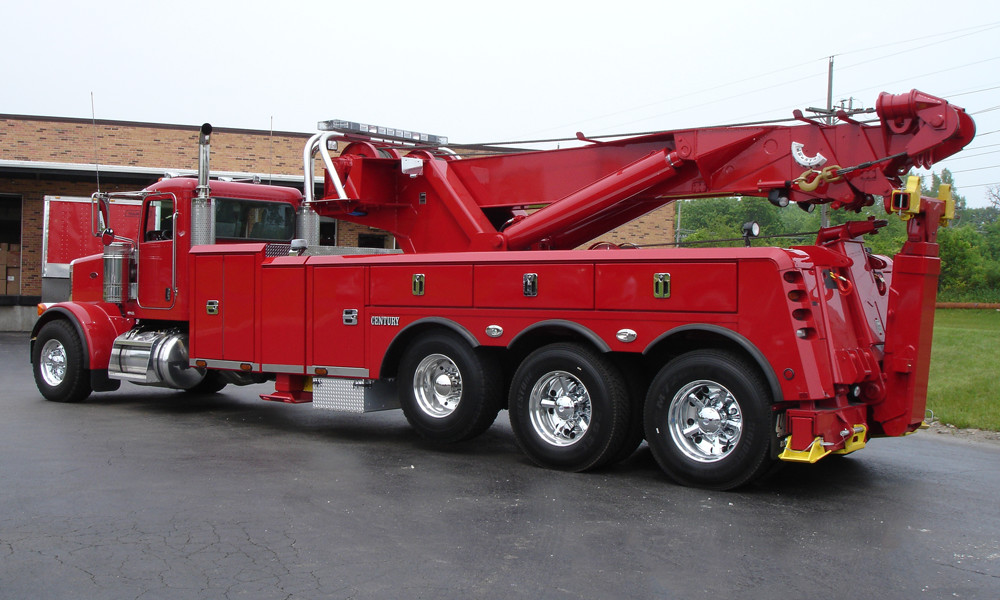
Law enforcement coordination shapes how tow truck operators approach accident scenes, impound situations, and road clearance operations. Officers control scene access, direct positioning, and authorise vehicle removal timing. tow truck operators working alongside law enforcement follow specific protocols, maintaining professional relationships while completing recovery work efficiently within officer-controlled environments.
Scene arrival protocols
In addition to waiting for officer permission, operators often enter accident scenes slowly rather than immediately. During the investigation and to ensure public safety, the police remain on scene. Evidence can be disrupted or additional hazards created by a premature entry. Designated staging areas keep tow trucks positioned away from the active investigation until officers give permission for access. Communication and specific instructions are conveyed to the scene commander upon arrival and interaction at the scene. An accident involving multiple tow trucks is prevented from becoming confusing and congested by this system. Positive relationships with law enforcement requires patience despite pressure. Following these procedures can lead to opportunities for rotation of towing contracts in the future.
Evidence preservation responsibilities
Operators avoid disturbing vehicle positions until officers specifically authorise movement since accident reconstruction depends on precise vehicle placement data. Photographing vehicles before any contact documents existing damage, protecting operators from false claims about damage occurring during towing. Noting fluid spill locations and debris fields before loading preserves information valuable for accident investigations that operators might inadvertently destroy through normal recovery movements. Officers sometimes request specific loading methods, preserving particular vehicle areas for forensic examination after transport. Chain of custody documentation for vehicles involved in criminal investigations requires operators to maintain records about who authorised removal and where vehicles are transported. Operators avoid accessing vehicle interiors unless officers specifically request assistance retrieving documents or items needed for immediate investigation purposes.
Road clearance cooperation
- Officers prioritise rapid road clearance after accidents to restore traffic flow, requiring operators to work efficiently without unnecessary delays
- Heavy vehicle recovery sometimes requires multiple specialised units coordinating movements under officer traffic management supervision
- Hazardous material spills from accidents require operators to wait for containment before vehicle removal proceeds under the officer’s direction
- Debris clearing responsibilities sometimes fall to tow operators sweeping roadways after vehicle loading, before lanes reopen to traffic
- Timing coordination between operators and officers ensures lanes reopen immediately after clearing completes, maximising traffic flow restoration
Impound documentation compliance
Impound operations require strict documentation compliance satisfying both law enforcement requirements and regulatory standards governing vehicle storage. Officers provide impound authorisation forms specifying the legal basis for vehicle seizure that operators retain in permanent records. Vehicle condition documentation through photographs and written notes protects operators when owners claim damage during storage periods between impound and retrieval. Inventory records listing visible personal property inside vehicles prevent theft allegations when owners retrieve vehicles from impound facilities. Storage facility notifications sent to law enforcement agencies confirm vehicle arrivals, allowing databases to be updated so owners can contact police to locate their vehicles quickly. Release authorisation from law enforcement sometimes precedes owner retrieval, requiring operators to verify proper clearances before releasing impounded vehicles to claimants presenting ownership documentation.
Tow truck operators coordinate with law enforcement through disciplined scene arrival protocols, careful evidence preservation practices, efficient road clearance cooperation, and thorough impound documentation compliance that supports law enforcement objectives while completing professional vehicle recovery work.