
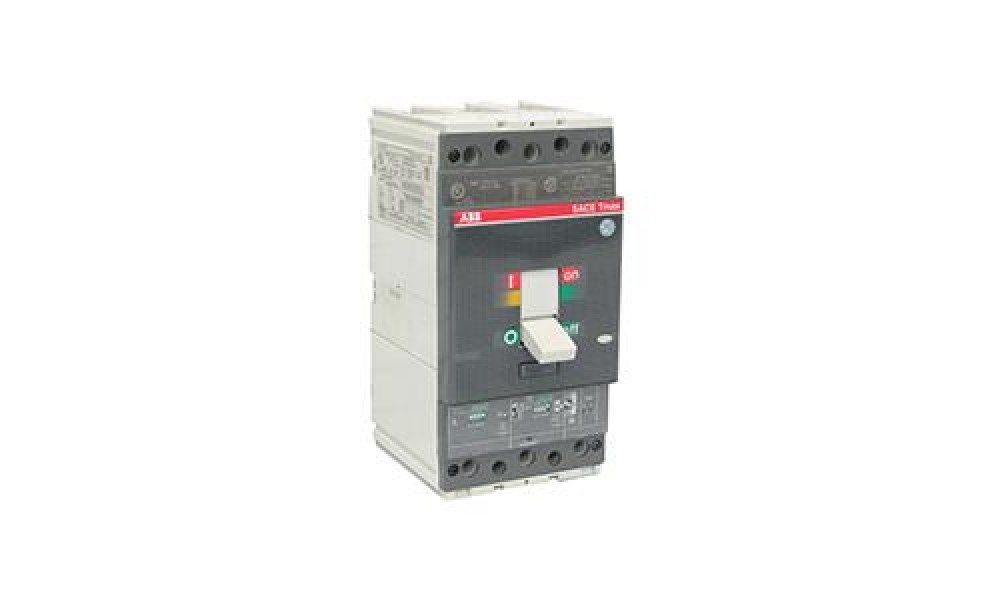
Rising utility charges push many people toward smarter power use habits. Simple design choices now shape how rooms stay active without waste. Safety also stands beside savings. Modern protection ideas guide this balance. Many planners look at rcbo circuit breaker
concepts while shaping safer layouts. This guide reflects the title Energy-efficient spaces built around rcbo circuit breaker protection concepts through clear steps. Every part below links safety thinking to stable power use.
Silent power flow control ideas
Power moves best when guided through stable paths. Smart layouts reduce overload stress.
- Balanced wiring lowers sudden load pressure across active zones
- Planned sockets prevent wasteful energy leaks daily
- Timed use patterns support steady draw rates
- Simple switch habits reduce idle current loss
This view builds safer usage habits.
Steady draw planning methods
Power use becomes smoother through daily awareness. Short bursts waste less. Regular checks avoid heavy spikes. This habit keeps circuits calm. Stability always saves resources.
Safe flow shaping habits
Rooms feel lighter when the current stays balanced. Minor actions protect systems. Soft lighting reduces load strain. Calm use keeps devices steady. These habits protect lines.
Load balance through smart layouts
Stable layouts protect wires. Clear paths reduce stress points.
- Grouped outlets lower random pull from scattered use
- Shorter cable routes reduce resistance buildup
- Dedicated lines support heavy tools calmly
- Shared nodes prevent single-point overload
- Soft start systems protect motors
- Even spacing controls heat rise
- Clear labeling prevents wrong draws
- Zoned layouts guide safe usage
Balanced setups guard long-term use.
Soft start power control
Devices draw less when starting gently. This limit spikes. Soft starts protect lines. They also protect tools.
Thermal control awareness
Heat rises when flow spikes. Balanced use lowers warmth. Cooler systems last longer. Simple airflow helps.
Circuit rest cycle planning
Short rest windows reduce strain. This supports a longer life. Breaks help parts recover. Calm cycles save power.
Protective design logic
Many builders rely on rcbo circuit breaker logic while shaping safe layouts. This approach blends fault detection with load balance. It avoids hidden risk. Protection becomes part of design.
Visual cue-based use
Lights signal draw levels. Color cues guide habits. Simple signs reduce misuse. Visual prompts teach safe use.
Manual override safety sense
Manual control adds human judgment. Quick shutoff stops waste. People feel safer. Control stays clear.
Safer power wiser living
Smart rooms grow through calm thinking. Balanced flow protects tools. Gentle habits lower waste. Planned layouts remove fear. People gain trust in systems. Long life comes from care. Stable design saves more than money. It protects people.
Load awareness through daily habits
Daily use patterns shape how power behaves. Small actions protect long-term systems. Turning devices off early reduces hidden pull. Short use windows prevent sudden stress. Calm routines keep lines stable. This habit also lowers waste. Over time, systems stay cooler. Stability always supports a longer life.
Soft control through simple routines
Gentle handling prevents sharp draw moments. People learn to start devices slowly. Sudden surges fade away. Tools respond with a steady flow. This keeps internal parts safer. Quiet control habits reduce unseen damage. Power use becomes predictable. Predictable use always saves more.
Zoning logic for safer rooms
Clear zones guide correct usage. Each area holds defined limits. This avoids heavy pull from one point. Balanced sections share pressure fairly. Visual layout helps memory. Memory guides safer action. Safer action protects lines. Protection builds trust.
Monitoring sense through simple checks
Regular checks reveal early trouble. Small signs warn before faults grow. Warm points show strain. Dim light shows overload. People learn to notice these signs. A fast response stops loss. Awareness becomes natural. Natural habits protect every space.